Ojibwe Indian Reservations and Trust Land

Dream-Catchers of the Seventh Fire   Soar Home with the wisdom of real dream-catchers
Dream-Catchers Home
History of Dream-Catchers
Gallery of Dream-Catchers
Dream-Catcher Kits
Weaving a Dream-Catcher
Order Dream-Catchers
Seventh Fire Prophecy-Protest-Principle
History of the Little Shell Band of Ojibwe
History of the Ojibways
Ojibwe Culture and Language
Native American Holocaust
Native American Medicine
Natural Serotonin
Pycnogenol

Photo Galleries Index
The Littlest Acorn
Stories Dream-Catchers Weave
Creating Turtle Island
Sage Ceremony for Dream-Catchers
Larry Cloud-Morgan
White Eagle Soaring
Seventh Fire Blog
Real Dream Catchers' links
Comments about these Dream-Catchers

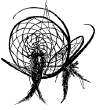
Butterfly Dream-Catchers of the Seventh Fire DreamCatcher Heritage Collection

Aspiration Dream-Catchers of the Seventh Fire DreamCatcher Heritage Collection

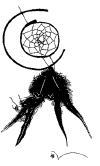
Sun and Moon Dream-Catchers of the Seventh Fire DreamCatcher Heritage Collection

Real Dream-Catchers teach spirit wisdoms of the Seventh Fire

Real Dream-Catchers teach the wisdoms of the Seventh Fire, an Ojibwe Prophecy, that is being fulfilled at this moment. The Light-skinned Race is being shown the result of the Way of the Mind and the possibilities that reside in the Path of the Spirit. Real Dream-Catchers point the way.

Paul Kane- Ojibway Encampment

Click on image for full size image and information


Indian Tribes and Termination

Ojibwe Encampment on the Winnipeg River by Paul Kane

Ojibwe Art and Dance

Interpreting the Ojibwe Pictographs of North Hegman Lake, MN

Ojibwe Forestry and Resource Management

Ojibwe Homes

Ojibwe Honor Creation, the Elders and Future Generations

Ojibwe Indian Reservations and Trust Land

Ojibwe Language

Introduction to Ojibwe Language

Ojibwe Snowshoes and the Fur Trade

Ojibwe Sovereignty and the Casinos

Ojibwe Spirituality and Kinship

Family, Community, and School Impacts on American Indian and Alaska Native Students' Success

Tracing the Path of Violence: The Boarding School Experience

Ojibwe Tobacco and Pipes

Traditional Ojibwe Entertainment

Myth of the Ten Lost Tribes of Israel - 2 - 3 - 4

Soul of the Indian: Foreword

The Great Mystery - 2
The Family Altar - 2
Ceremonial and Symbolic Worship - 2
Barbarism and the Moral Code - 2
The Unwritten Scriptures - 2

On the Borderland of Spirits - 2

Charles Alexander Eastman

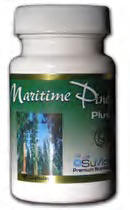
Pycnogenol is a super-antioxidant sourced through Native American medicineMaritime Pine Pycnogenol  is the super-antioxidant that has been tried and tested by over 30 years of research for many acute and chronic disorders. The Ojibwe knew about it almost 500 years ago.  Didn't call it that, though. White man took credit.

Seroctin--the natural serotonin enhancer to reduce  stress and depression, and  enjoy better sleep

Plant by Nature is Organic Gardening Nature's Way

Accelerated Mortgage Pay-off can help you own your home in half to one third the time and save many thousands of dollars.

Photo Gallery

Traditional Life of the Ojibwe Aurora Village Yellowknife
The Making of a Man
Little Dancer in the Circle

Friends in the Circle
Grass Dancer
Shawl Dancers
Jingle Dress Dancers

Fancy Shawl Dancer
Men Traditional Dancers
Powwow: The Good Red Road

Crater Lake Photo Gallery
Crater Lake Landscape

Flowers of Crater Lake
Birds & Animals of Crater Lake
Gold Mantled Ground Squirrel
The Rogue River

Sacred Fire of the Modoc
Harris Beach Brookings Oregon

Listen to
American Indian Radio
while you surf 

Willow animal effigies by Bill Ott after relics found in the Southwest Archaic CultureMuseum-quality willow animal effigies of the Southwest Archaic culture, art from a 4,000 year-old tradition by Bill Ott

Unique Cherokee Dream-Catcher from basket-weavers' numerology by Catherine Sundvall

Get a course to promote your business online, explode your sales

Get software to promote your business online in less time

Get software to streamline your business and run it hands free.

Indian Reservations

Indian Country

Indian Country is a term commonly used when talking about areas with American Indian populations.

The federal government defines Indian Country as all of the land within the limits of any Indian reservation, all dependent Indian communities within the borders of the United States, and all Indian land allotments.

Before the arrival of Europeans, "Indian Country" was everywhere. There were hundreds of Indian tribes in the U.S. and Canada that moved around the land freely and selected various areas of land to inhabit. However, after the Europeans arrived and began to establish the United States, Indians were moved to remote, harsh areas of land called reservations.

Today there are 314 reservations in the U.S., but more than 60 percent of Indians in the United States live off the reservations. The term Indian Country refers to reservations but it also refers to non-reservation areas where Indians live.

Up until a few years ago, Indian Country was often associated with poor health, education and economic conditions. But the gaming industry and other successful business ventures have started turning Indian Country around. The Mille Lacs Band of Ojibwe alone has spent millions of dollars to rebuild its reservation since the opening of its casinos.

Schools, elderly centers, and community centers have been built, businesses have opened with Band-assisted programs, and living conditions are being upgraded in countless ways. Hopefully, as Indians everywhere receive more opportunities, and tribally owned businesses continue to grow, Indian Country will shed its gloomy reputation and become associated with something better — success.

Indian Reservations

Indian reservations are areas of land set aside by the federal government as a permanent tribal home. The term "reservation" originates from the federal government’s act of reserving land for federal purposes. In the United States, there are two kinds of familiar reservations: military and Indian. The United States established its reservation policy for American Indians in 1787, although the land has not always been protected. From the 1880s to the 1930s, Congress opened up tribal lands for sale, and reservations lost two-thirds of their land base. Then in the 1950s, the Eisenhower administration terminated reservations in an attempt to do away with federal responsibility to tribal governments. This policy was a total failure. Today American Indians hold about 56 million acres in reservations and trust land. The Navajo Reservation is the largest, covering 16 million acres in parts of Arizona, Utah and New Mexico. Many smaller reservations are less than 1,000 acres. The boundaries of the Mille Lacs Reservation cover 61,000 square acres in Mille Lacs County. The Band also has lands in Morrison, Pine, Crow Wing, and Aitkin counties. Currently, 4,000 acres are held in trust by the United States, and 12,000 are owned by the Band. The land on each Indian reservation should be owned by the particular tribe. However, the Unites States holds the title to the land for the tribe, with the Department of Interior acting as trustee. Although reservation land belongs to Indian tribes, not all Indians live on reservations. According to the U.S. Census, more than 60 percent live away from reservations. But with the recent improvements in the quality of life on reservations such as Mille Lacs, that number is likely to change as more American Indians return to their reservation communities.

Trust lands

Trust land is land held by the United States for the use and benefit of American Indian tribes. Tribes can purchase land and petition the federal government to hold that land in trust, protecting it from being taken away or threatened. Actions affecting title to trust lands, including sales, are subject to approval of the U.S. Secretary of the Interior. The United States holds title to the land for the tribes, with the Department of Interior acting as trustee. The tribe or individual whose land is held in trust can use the land in ways authorized by the United States. The Department of Interior is legally obligated to ensure that American Indian resources and lands are properly managed, protected and conserved. As trustee for the tribes, the department has a duty to protect tribal health and safety and to fulfill all treaty and statutory obligations.

Currently, about 4,000 acres of land are held in trust for the Mille Lacs Band. The Band also owns an additional 12,000 acres that are not held in trust. Indian tribes do not pay state taxes on trust lands. Because the federal government owns the land, it can not be taxed by the state or counties. However, the Mille Lacs Band’s trust lands have very little impact on the local tax base. Grand Casino Mille Lacs is located on land that was in trust before the casino was built, so Mille Lacs County did not lose any tax base due to the casino. In Hinckley, only the casino is on trust land. All remaining Grand Casino property — including restaurants, the arcade, the hotel, the amphitheater, the park, and the golf course — lies on taxable land. The taxes generated by these properties are higher than the taxes that were generated when the land was still agricultural.

White Eagle Soaring: Dream Dancer of the 7th Fire

 

American Gold and Silver Currency is Back. Click here for the Liberty Dollar at a Discount.


See Real Dream Catchers' links

Columbus exposed as iron-fisted tyrant who tortured his slaves

Columbus Day -The white man’s myth and the Redman's Holocaust

Excerpt from The Destruction of the Indies by Las Casas

Massacre at Sand Creek

Wounded Knee Hearing Testimony

An Ojibwe Trail of Tears

Wisconsin Trail of Tears

Ojibwe Creation Story

Paleo-American Origins

The Wallum Olum: a Pictographic History of the Lenni Lenape, Root Tribe from which the Ojibwe arose

A Migration Legend of the Delaware Tribe 

Wallum Olum: The Deluge - Part II

Winter Count: History Seen from a Native American Tradition - 2 - 3

The Story of the Opposition on the Road to Extinction: Protest Camp in Minneapolis

Who Deems What Is Sacred?

Savage Police Brutality vs Nonviolence of the People

Mendota Sacred Sites - Affidavit of Larry Cloud-Morgan

Cloud-Morgan, Catholic activist, buried with his peace pipe

This is a crazy world. What can be done? Amazingly, we have been mislead. We have been taught that we can control government by voting. The founder of the Rothschild dynasty, Mayer Amschel Bauer, told the secret of controlling the government of a nation over 200 years ago. He said, "Permit me to issue and control the money of a nation and I care not who makes its laws." Get the picture? Your freedom hinges first on the nation's banks and money system. That's why we advocate using the Liberty Dollar, to understand the monetary and banking system. Freedom is connected with Debt Elimination for each individual. Not only does this end personal debt, it places the people first in line as creditors to the National Debt ahead of the banks. They don't wish for you to know this. It has to do with recognizing WHO you really are in A New Beginning: A Practical Course in Miracles. You CAN take back your power and stop volunteering to pay taxes to the collection agency for the BEAST. You can take back that which is yours, always has been yours and use it to pay off your debts. And you can send others to these pages to discover what you are discovering.

Disclaimer: The statements on www.real-dream-catchers.com  have not been evaluated by the FDA. These dream catchers are not intended to diagnose nor treat nor cure any disease or illness

© 2007,  Allen Aslan Heart / White Eagle Soaring of the Little Shell Pembina Band, a Treaty Tribe of the Ojibwe Nation